
Instrumentation Technology
Instrumentation Technology
At a Glance
Degree Plans
Associate of Applied Science Certificate
Earning Potential
Want to launch a career in one of today's fastest-growing fields—and do it close to home? LSCPA's Associate of Applied Science in Artificial Intelligence and Machine Learning gets you ready to step straight into local industry jobs. You'll build a strong foundation across the skills that matter: artificial intelligence, data analysis, programming, data storage and management, AI ethics, and modern programming languages. Classroom lessons, hands-on lab work, and real-world internships come together so you can design, develop, and manage the AI systems Southeast Texas employers depend on. It's a practical path to a stable, rewarding future—right here where you live.
Top Careers in Instrumentation Technology
A career in instrumentation technology can lead to roles like Instrumentation Technician, Process Control Technician, Electro-Mechanical Technician, Calibration Technician, or Maintenance Supervisor. Most professionals build their experience from entry-level positions before advancing into higher-paying work. Starting as an Instrumentation Technician or Process Control Technician opens the door to roles in system installation and calibration, while strong troubleshooting and technical skills can lead to supervisory work. With added experience and certifications, you can grow into roles like Lead Technician or Maintenance Supervisor. Your training in instrumentation principles, process control, electrical fundamentals, calibration, system installation, troubleshooting, and routine maintenance gives you the hands-on foundation to grow into a rewarding career in the field.
LSCPA's hands-on training builds the exact skills Southeast Texas employers want, opening the door to better-paying work. Electro-mechanical and instrumentation technicians earn a median of $54,460 statewide, with experienced technicians reaching the top of the range at $105,640. As you gain experience and earn certifications, you can move into higher-paying roles like Lead Technician or Maintenance Supervisor. Entry-level positions provide a solid foundation, while experienced professionals can earn considerably more depending on their role, experience, and employer. It's a clear, practical route to a stable and rewarding future in the field.
Schedule a Meeting
George Bohn
Program Coordinator
UITC 201C
Phone: 409-984-6391
Email: bohngw@lamarpa.edu
Thomas Janise
Adjunct Instructor
UITC 201A
Phone: 409-984-6418
Email: janisethe@lamarpa.edu
Jose Perez
Adjunct Instructor
UITC 201A
Phone: 409-984-6418
Email: perezjm3@lamarpa.edu
Troy McGee
Adjunct Instructor
UITC 201A
Phone: 409-984-6418
Email: mcgeeta1@lamarpa.edu
Timothy Storbeck
Adjunct Instructor
UITC 201A
Phone: 409-984-6418
Email: storbeckt@lamarpa.edu
Program Information
The Business and Industrial Technology Department recommends that you apply for your certificate as soon as it is available, even if you intend to continue studying for your degree. Follow the application instructions on the Graduation page to receive your certificate.
| Course | Title | SCH |
|---|---|---|
| First Semester | ||
| CETT 1321 | Electronic Fabrication | 3 |
| CETT 1409 | DC-AC Circuits | 4 |
| INTC 1301 | Principles of Industrial Measurements I | 3 |
| ITSC 1401 | Introduction to Computers | 4 |
| Second Semester | ||
| CETT 1315 | Digital Applications | 3 |
| OSHT 1320 | Industrial Safety | 3 |
| INTC 1341 | Principles of Automatic Control | 3 |
| INTC 1348 | Analytical Instrumentation | 3 |
| ELECTIVE | Approved Humanities / Fine Arts | 3 |
| Third Semester | ||
| ELECTIVE | Approved College Level Math | 3 |
| INTC 1343 | Application of Industrial Automatic Controls | 3 |
| INTC 2336 | Distributed Control and Programmable Logic | 3 |
| ELMT 2333 | Industrial Electronics | 3 |
| ENGL 2311 | Technical & Business Writing | 3 |
| Fourth Semester | ||
| INTC 1356 | Instrumentation Calibration | 3 |
| INTC 1355 / INTC 2388 | Unit Operations / Internship - Instrument Technology/ Technician | 3 |
| SCIT 1418 | Applied Physics | 4 |
| SPCH 1315 | Public Speaking | 3 |
| ELECTIVE | Approved Social Behavioral Scence | 3 |
| Total | 60 | |
| course | title | sch |
|---|---|---|
| First Semester | ||
| CETT 1321 | Electronic Fabrication | 3 |
| CETT 1409 | DC-AC Circuits | 4 |
| INTC 1301 | Principles of Industrial Measurements I | 3 |
| ITSC 1401 | Introduction to Computers | 4 |
| Second Semester | ||
| CETT 1315 | Digital Applications | 3 |
| OSHT 1320 | Industrial Safety | 3 |
| INTC 1341 | Principles of Automatic Control | 3 |
| INTC 1348 | Analytical Instrumentation | 3 |
| ELECTIVE | Approved Humanities / Fine Arts | 3 |
| Total | 29 | |
An LSCPA Instrumentation Technology credential opens the door to a long career in system installation, calibration, process control, and day-to-day technical work. After finishing the program, graduates can:
- Step into the workforce ready to contribute. Graduates often begin as Instrumentation Technicians, Process Control Technicians, Electro-Mechanical Technicians, or Calibration Technicians — roles in steady demand at plants, refineries, and process facilities across Southeast Texas and beyond.
- Keep building on your credits. Coursework from the program may count toward additional credentials or related degrees, depending on the college and degree plan. With a full Associate of Applied Science designed for direct entry into local workplaces, LSCPA lets you advance at the pace that fits your life.
- Continue toward a four-year degree. Once you finish the Associate of Applied Science, you can transfer to a university and pursue a Bachelor's degree in Industrial Technology, Electrical Engineering Technology, Process Technology, or a related field, where available.
- Grow into leadership roles. As you gain experience and earn industry certifications in instrumentation, process control, or calibration, doors open to positions like Lead Technician, Maintenance Supervisor, or Instrumentation Project Supervisor — careers that reward both skill and ambition with strong earning potential.
With these stackable credentials, you can earn a focused instrumentation qualification, step into the workforce, and keep building your skills and career on a timeline that fits your goals.
What is the Instrumentation Technology program at LSCPA?
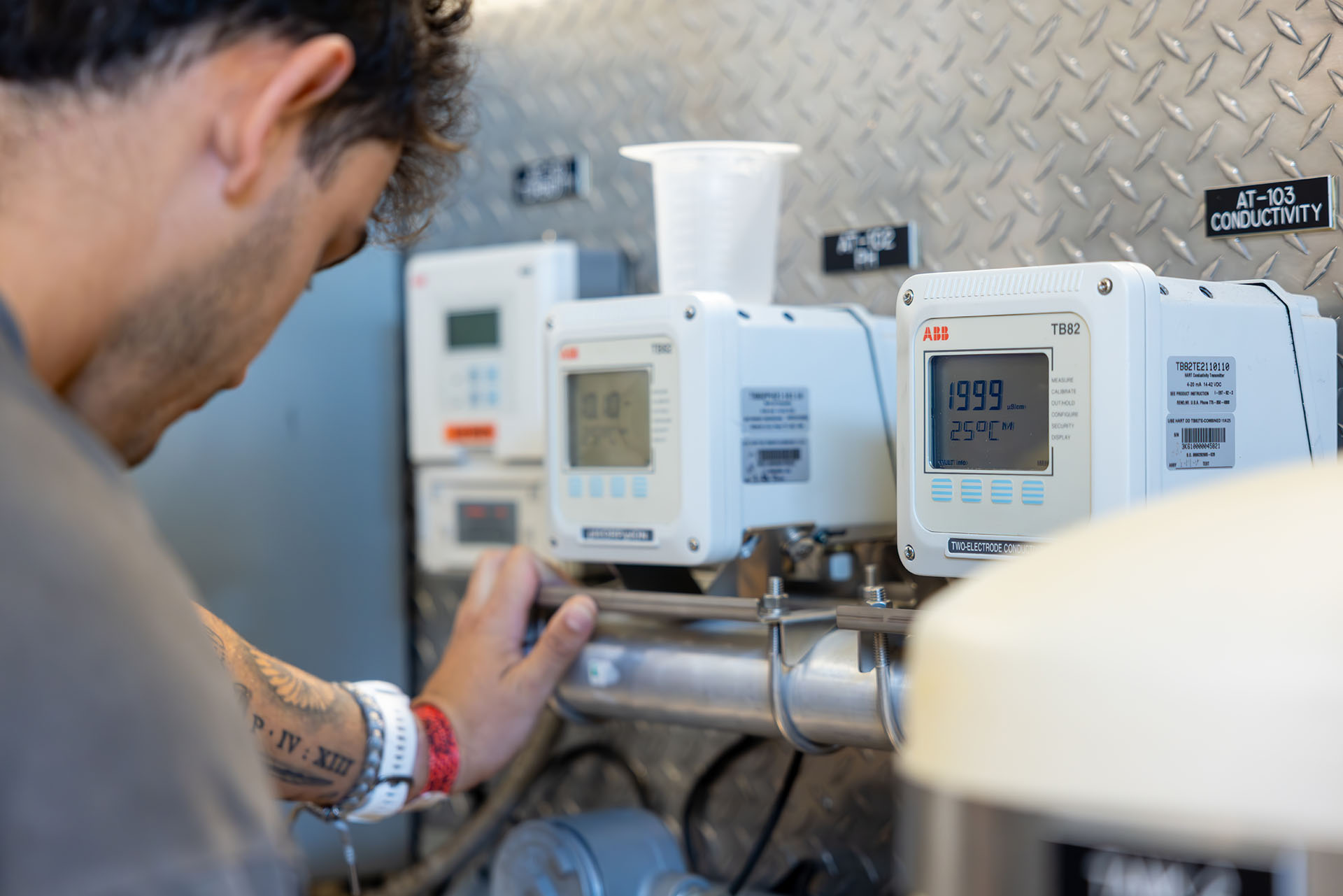
The Instrumentation Technology program at LSCPA trains you for work with plants, refineries, and process facilities throughout the region. The curriculum covers instrumentation principles, process control, electrical fundamentals, calibration, system installation, troubleshooting, and routine maintenance. Built around the skills employers actually use, it gives you the practical, job-ready knowledge that Southeast Texas businesses value.
What certifications or credentials can I earn through the Instrumentation Technology program?
Once you complete the Instrumentation Technology program, you'll earn a full Associate of Applied Science degree built for direct entry into local workplaces. Beyond your degree, you can pursue industry certifications in instrumentation, process control, or calibration — credentials that expand your career options and boost your earning potential.
What kind of jobs can I get with this training?
This training opens doors with plants, refineries, and process facilities throughout the region. Graduates step into roles such as Instrumentation Technician, Process Control Technician, Electro-Mechanical Technician, Calibration Technician, Lead Technician, or Maintenance Supervisor.
Is this program flexible for working adults?
Absolutely. The Instrumentation Technology program offers flexible scheduling built around the demands of work and family, so commuters and working adults can pursue their training without putting life on hold. An advisor can help you map out a schedule that fits your goals.
How long does it take to complete the program?
You can finish the Instrumentation Technology program on a timeline that suits you. The full Associate of Applied Science takes two years of fall and spring semesters, with a total of 60 credit hours across four semesters. Enrolling in summer terms or earning advanced placement can shorten that path. An advisor will help you choose the schedule that fits your goals.
What is the salary potential for an Instrumentation Technology professional?
Pay in instrumentation technology reflects both your role and your experience. Drawing on Texas Workforce Commission data, electro-mechanical and instrumentation technicians in Southeast Texas earn a median of $47,221–$59,942 a year, with experienced technicians reaching the top of the range at $81,788. Entry-level workers usually start near the lower end, though experienced professionals command considerably higher pay. With added experience and certifications in instrumentation, process control, or calibration, you can move into higher-paying roles like Lead Technician or Maintenance Supervisor. Your earnings will depend on where you work, how much experience you bring, and the position you hold. Because demand stays strong, added experience and credentials can move you into well-paid leadership roles down the road.
The LSCPA Advantage
Why choose LSCPA for your Instrumentation Technology education? Our program connects you to in-demand careers across Southeast Texas. You'll work hands-on with measurement and control systems, calibration equipment, and process instrumentation, sharpen your electrical and system installation abilities, and master what matters to local employers — accurate troubleshooting, confident handling of installation and calibration work, and a firm grasp of process control, routine maintenance, and safety practices. Small class sizes, experienced instructors, and deep roots in the regional plant and process community come together to launch your career, all at a price that won't hold you back.
Request Information
At a Glance
Degree Plans
Associate of Applied Science Certificate